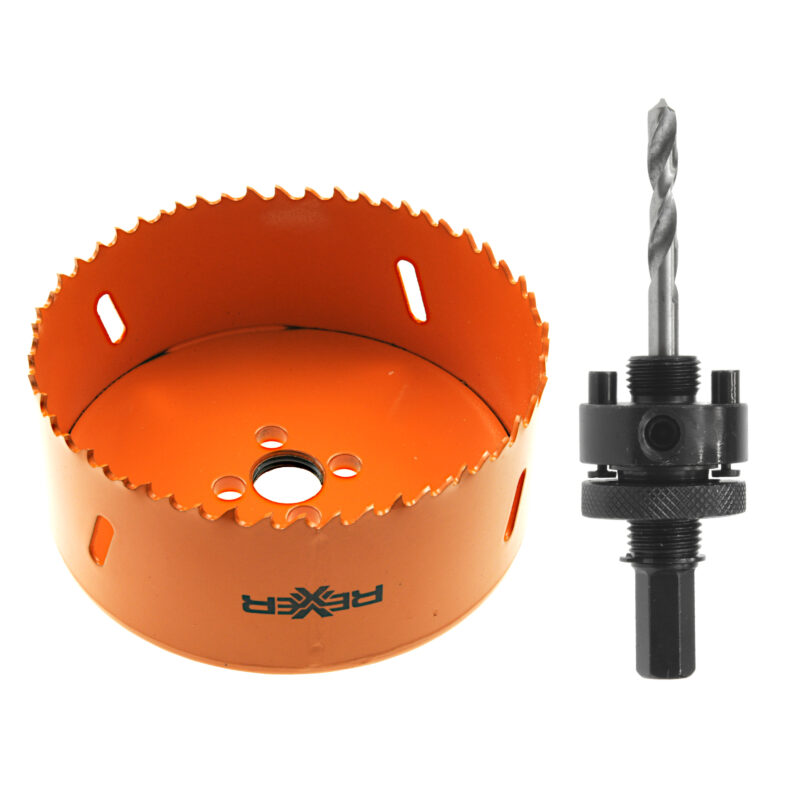
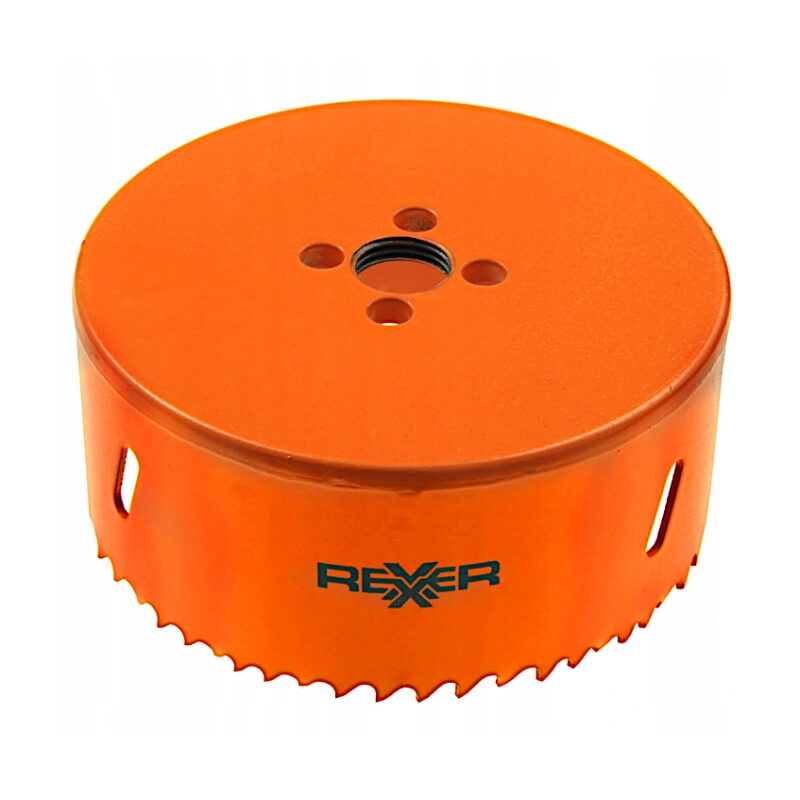
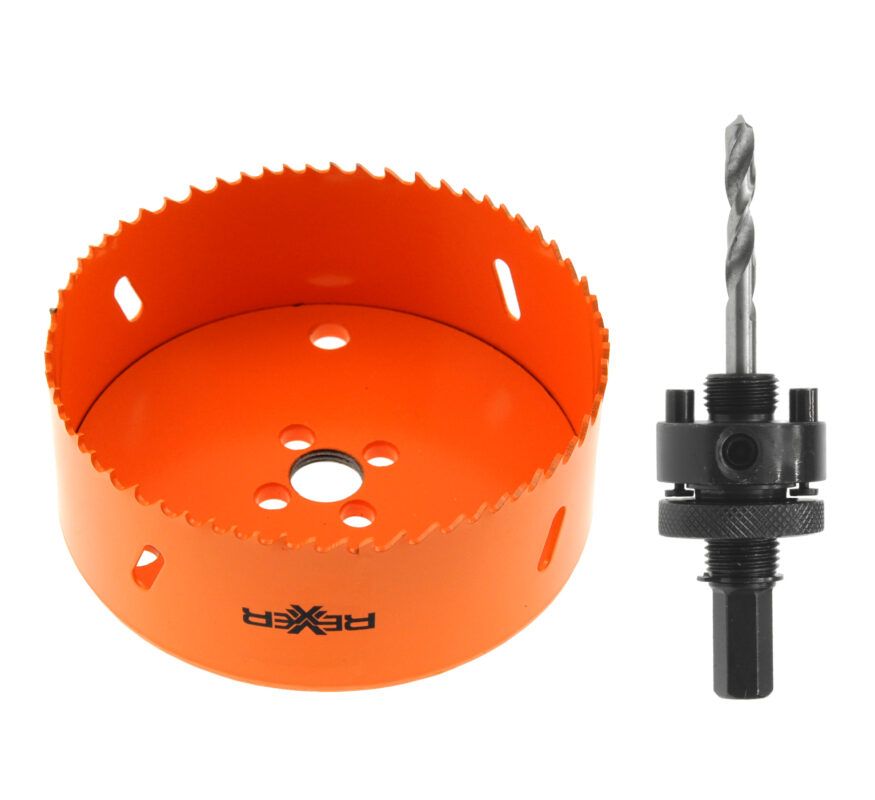
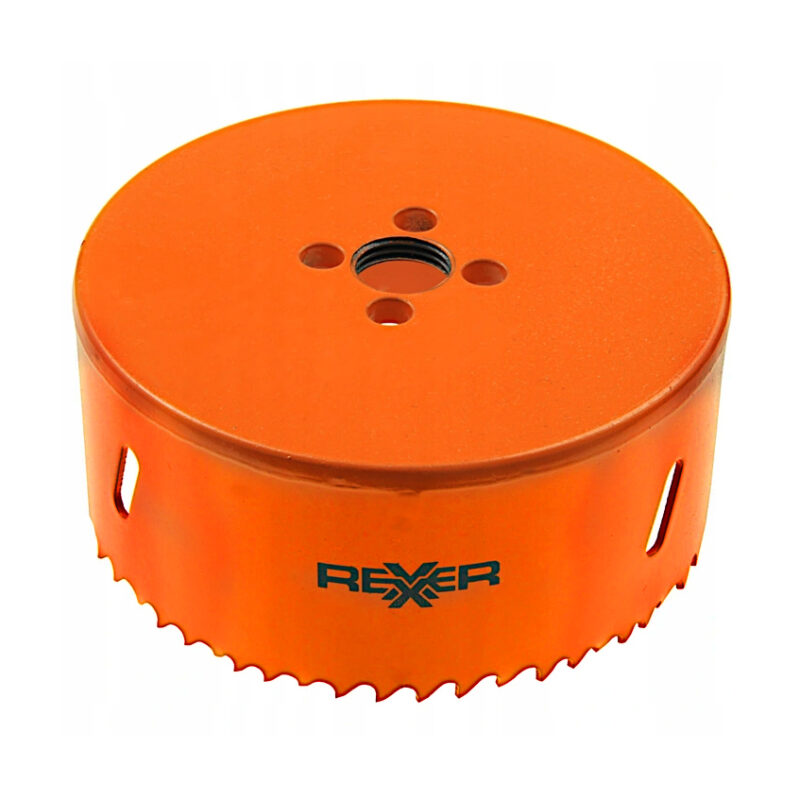
A wood hole saw is an indispensable tool for anyone who wants to cut holes in wood or wood-based materials quickly and precisely. Whether you are a professional carpenter or a DIY enthusiast, the right hole saw will make your work much easier.
Choosing the right model is crucial – it affects not only the quality of the cut, but also the comfort and pace of work. Therefore, before you decide to buy, it is worth getting to know the available options and adjusting the tool to your own needs.
Modern hole saws are much more than just classic drills. These are technologically advanced tools that work well both for simple assembly work and for more demanding carpentry projects. Examples of applications include:
- Installation of ceiling lighting – quick and clean cutting holes for lamps.
- Installation of electrical boxes – precise adjustment of the opening to the size of the box.
- Creating vents – in furniture or structural elements.
- Decorative work – e.g. cutting holes for handles or decorative elements.
To choose the right hole saw, you need to pay attention to a few key parameters:
Parameter | Meaning |
Hole diameter | Tailored to the specific application – e.g. under an electrical box or cable. |
Drilling depth | Important when working with thicker materials – it provides full penetration. |
Material Type | Not every hole saw can handle every type of wood – it is worth choosing the right type of blade. |
Openers
What is a hole saw for wood and how does it work?
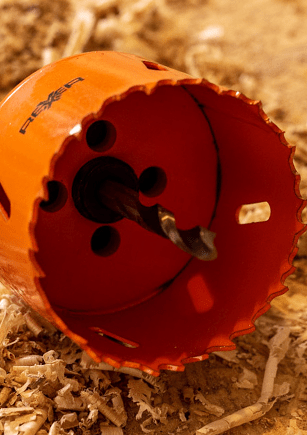
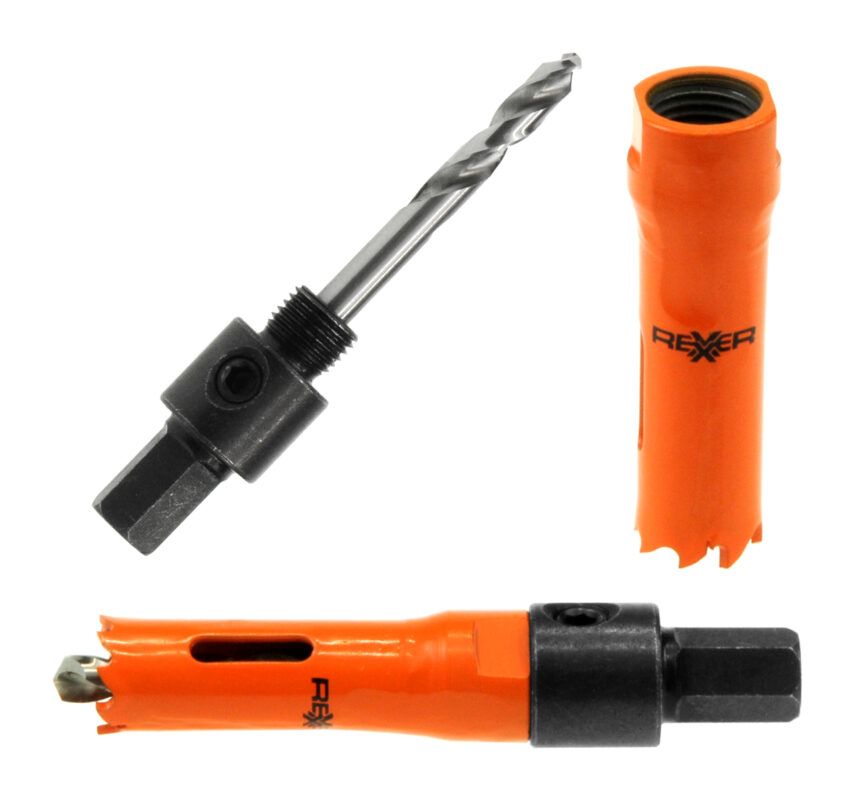
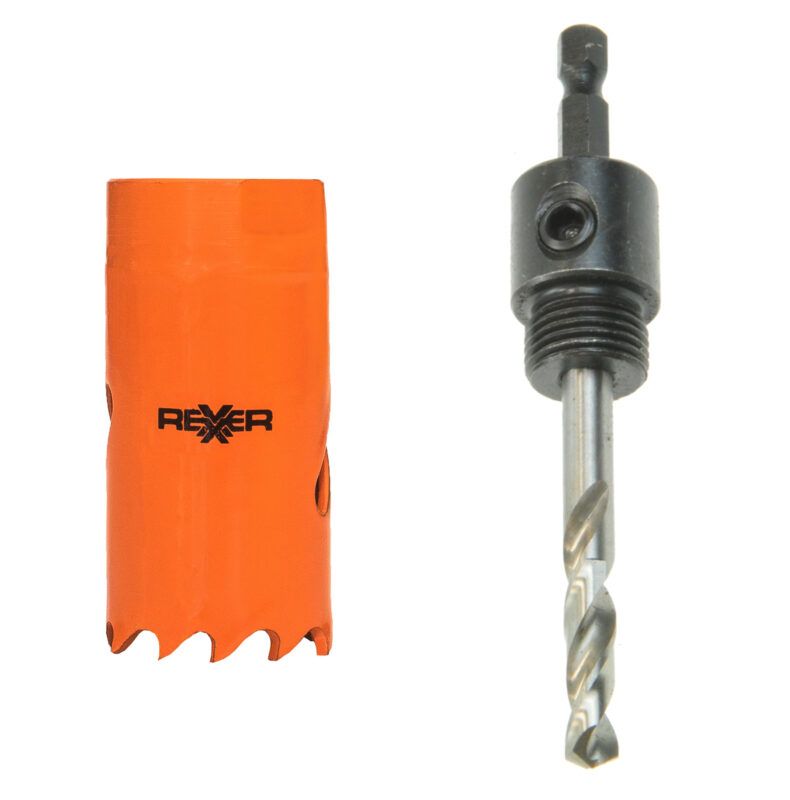
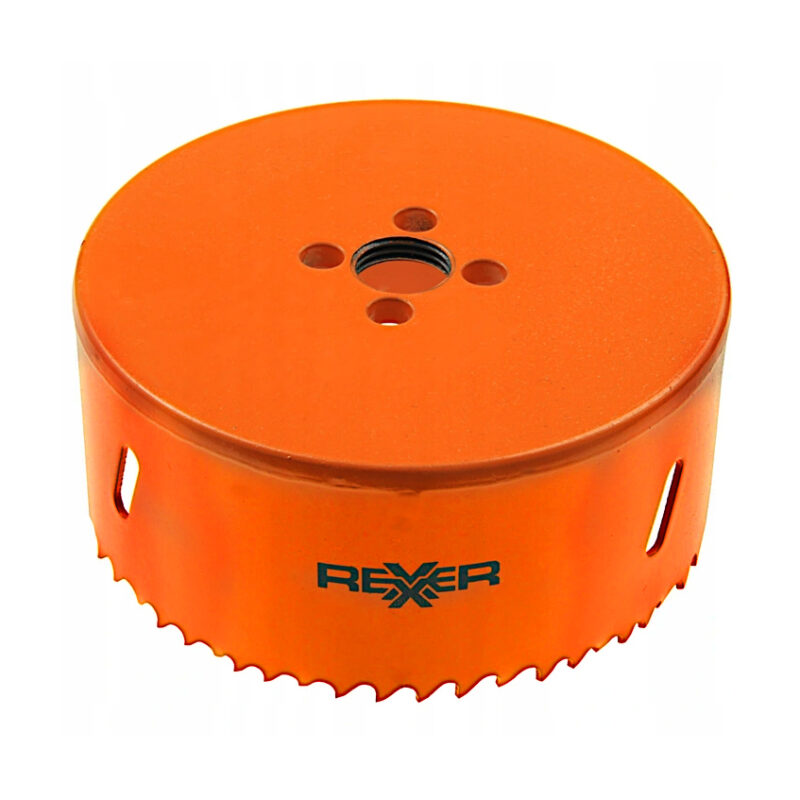
A wood hole saw is a specialized, cylindrical tool designed for cutting precise, round holes in wood and wood-based materials, such as plywood, MDF or OSB. It resembles a metal ring with sharp teeth, which, despite its inconspicuous appearance, can work wonders both in a professional workshop and in a home DIY garage.
Unlike classic drill bits, which work mainly with small holes, the hole saw allows you to quickly and accurately cut holes with larger diameters. It is ideal for installing electrical sockets, cable glands or ventilation holes. Without unnecessary complications or clutter – it just works effectively.
Type of teeth | Advantages | Disadvantages | Recommended use |
Thick teeth | Fast cutting | Jagged edges | Hard materials, where the pace of work counts |
Fine teeth | Precise, clean cut | Slower pace | Laminates, thin furniture boards, delicate materials |